


BC Poker gives players a fast way to enjoy tournament poker without waiting for a large scheduled field. Sit and Go events start when required number of seats is filled, so action feels compact, direct, and easy to fit into a short session.
Definition: a Sit and Go is a poker tournament that begins once enough players register. It has fixed buy in, set prize structure, rising blinds, and clear finish line. Good Sit and Go poker strategy is about changing gears at right time, because early patience, middle stage pressure, bubble control, and heads up aggression all need different decisions.
A strong Sit and Go strategy does not mean playing safe from start to finish. It means protecting stack when blinds are low, stealing when blinds become valuable, and attacking when opponents start folding too much. Small field can look simple, but every blind level changes math.

How Sit & Go Strategy Works
Sit & Go play works like a short tournament with faster pressure. You don’t have endless time to wait for premium hands, but you also don’t need to gamble early just because format feels quick. Best approach is stage based.
Early stage is about stack protection. Middle stage is about building fold equity. Bubble stage is about ICM pressure, where survival and payout jumps matter. Late stage is about push fold decisions, heads up ranges, and knowing when any ace or king becomes strong enough.
A clear Sit n Go poker strategy starts with one basic rule: chip value changes during event. Losing half your stack early hurts more than doubling up helps in some spots, especially near payouts. That is why reckless calls with weak hands can damage long term results even when pot odds look tempting.
Good SnG strategy also respects table size. In a nine player event, early position hands need more strength. In three handed play, same hand can become raise or shove. Strategy is not frozen. It moves with blinds, stack depth, and number of players left.
Players who win more often usually ask three questions before acting:


That simple checklist already puts you ahead of players who only look at their cards.
Early Stage Sit And Go Strategy
Early stage begins with deep or comfortable stacks and low blinds. Pots are cheap, but big mistakes can still be expensive. Goal is not to win tournament in first level. Goal is to keep stack healthy and take value when opponents overplay weak hands.
Main principles:
- Play tighter from early position. Hands like small suited kings or weak offsuit aces can look playable, but they create trouble after flop.
- Value bet strong hands. Many early stage players call too much. Don’t slow play every big pair or top pair strong kicker. Build pot when worse hands can continue.
- Avoid thin bluffs. Blinds are too small to fight for every pot. Save big pressure for spots where opponent can actually fold.
- Watch table habits. Early levels show who limps too much, who calls raises wide, and who bets only with made hands. Those notes matter later.
- Don’t chase every draw. Deep stacks make implied odds useful, but only when draw can win a large pot. Calling too much with weak draws burns chips quietly.
A good Sit n Go strategy in early levels feels almost boring. That’s fine. Boring poker can be profitable when other players punt chips because they want fast action.
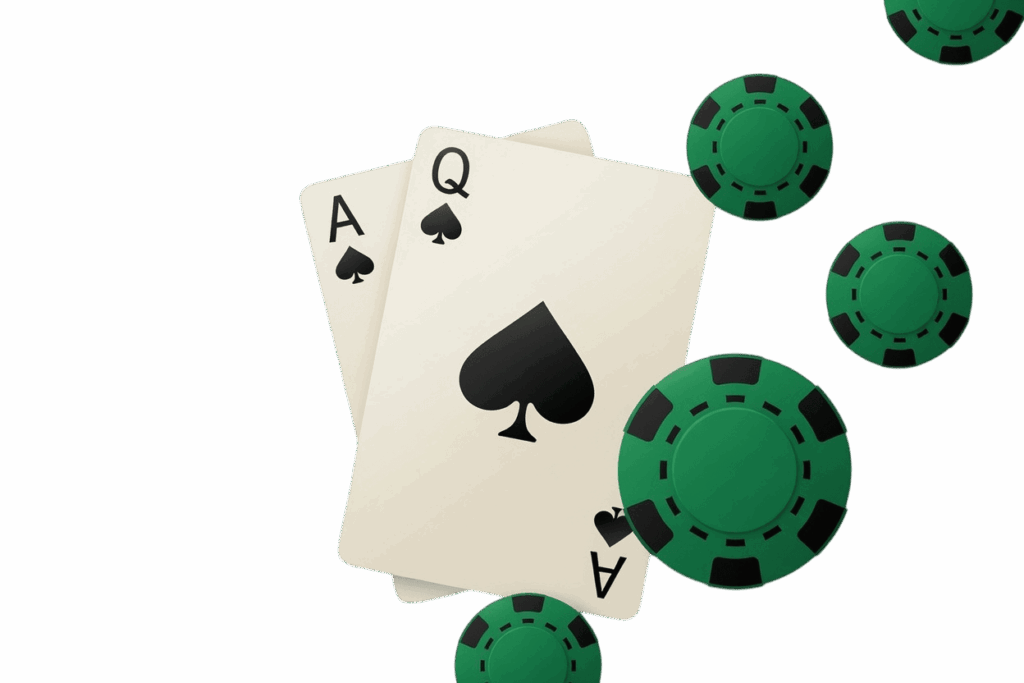
Example: You hold AQs in early position during first blind level. Raising is strong and standard. If one loose player calls and flop comes Q 7 2 rainbow, value bet. You don’t need fancy trap. Worse queens, middle pairs, and ace high floats can still pay.
This is where poker Sit and Go strategy differs from cash game mindset. You can’t reload freely inside same event, so stack preservation has real value.
Middle Stage Sit And Go Strategy
Middle stage starts when blinds become meaningful and stacks separate into big, medium, and short groups. Limping weak hands becomes worse because every orbit now costs more. You need more steals, cleaner decisions, and better awareness of who can fight back.
Main principles:
- Open wider from late position. Button and cutoff become valuable seats. If blinds fold too often, attack them with suited aces, broadways, pairs, and some suited connectors.
- Stop calling too much. Calling raises with hands that don’t flop well creates awkward spots. Re raising or folding is often cleaner when stacks get shorter.
- Pressure medium stacks. They often want to avoid becoming short before bubble. This makes them good targets if they fold too much.
- Respect big stacks. A big stack can call wider and put your tournament life at risk. Choose spots carefully.
- Track stack sizes before every hand. Ten big blinds, fifteen big blinds, and twenty five big blinds require different plans.
This is where Sit and Go tournament strategy becomes more aggressive. You can’t just wait for aces while blinds eat your stack. Still, aggression must have purpose. Random raises from bad seats only give chips away.
Example: You have KTs on button with 18 big blinds. Both players before you fold. Blinds are tight and medium stacked. Raising small can work well because your hand has blockers, decent playability, and fold equity. If big blind shoves, decision depends on player type and stack math.
A solid Sit and Go poker strategy in middle stage balances steal attempts with discipline. You want to collect blinds, not donate chips to players who never fold.
Bubble Strategy in Sit And Go Poker
Bubble stage is often most important part of event. One player leaves before money, and that changes everything. Short stacks try to survive. Big stacks can pressure. Medium stacks feel trapped between both.
Main principles:
- Use ICM pressure. If you cover opponents, you can attack players who don’t want to risk elimination before payouts.
- Don’t call all ins too loosely. Calling and losing can end your tournament. Shoving first usually creates more fold equity than calling off.
- Attack players who understand bubble risk. Some players fold too much near money. Take their blinds when spot is right.
- Be careful against short stacks. They may shove wide because waiting costs them too much. Don’t raise weak hands if you must fold to small shove too often.
- Avoid ego calls. “I think he’s bluffing” is not enough when payout pressure is high. Use ranges, stacks, and pot odds.
SnG strategy near bubble is not about fear. It’s about selective pressure. If you are chip leader, table often lets you drive. If you are shortest stack, you need first in shove spots before blinds hit you again.
Example: Four players remain, three get paid. You are chip leader on button. Small blind and big blind both have medium stacks and want to outlast short stack. Raising often can print chips if they fold too much. You don’t need premium hand every time, but you do need enough discipline to fold when resistance is strong.
Bubble play rewards players who understand risk. Calling off with marginal hands can look brave, but bravery doesn’t pay if math says fold.
Late Stage and Heads Up Sit And Go Strategy
Late stage begins after bubble bursts. Payouts are locked, but biggest money is still ahead. Short handed poker means hand values rise. Waiting for perfect cards usually fails because blinds arrive too fast.
Main principles:
- Widen opening ranges. Three handed and heads up play demand more aggression. Hands that were folds early can become raises or shoves.
- Learn push fold spots. With short stacks, small raises may commit too much. Open shove can be best when fold equity matters.
- Don’t let blinds pass for free. Every orbit costs a large part of stack. Passive play quickly turns playable stack into desperate stack.
- Adjust to opponent. If rival folds too often, raise more. If rival calls too wide, shove stronger and value bet harder.
- Heads up requires constant pressure. Button acts first preflop but last postflop, which makes it powerful. Use position and keep opponent making tough decisions.
Sit n Go poker strategy in late stage is closer to a duel than full table poker. Ranges expand, top pair gains value, and ace high can become strong showdown hand.
Example: Heads up with 12 big blinds, you hold A7o on button. Against many opponents, open shove can be profitable because ace blocks strong calls and has decent equity when called. If opponent calls too wide, you can still shove many aces but should reduce weaker bluffs.
Strong Sit and Go tournament strategy finishes with courage and control. You need courage to attack, but control keeps aggression from turning into panic.