


Poker flop odds show how often different hands appear after first three community cards in Texas Hold’em. This article is educational, so focus is not on magic formulas or lucky feelings. It is about numbers that help players make calmer decisions before and after flop.
Flop is a turning point. Preflop hands have potential, but flop turns that potential into real texture: pair, draw, set, straight chance, flush chance, or nothing useful at all. At BC Poker tables, understanding this stage helps you avoid two common mistakes: expecting premium flops too often and paying too much for hands that rarely improve.
A good player doesn’t need to memorize every decimal. Still, knowing basic probability helps you choose better starting hands, defend blinds with more logic, value suited cards correctly, and stop treating rare flops like something that should happen every session.

Poker Flop Odds Probability Chart
The chart below gives practical Texas Hold’em flop probabilities. Some results depend on starting hand type, so notes matter as much as numbers. Pocket pairs, suited cards, broadway cards, and connected hands all create different flop outcomes.
What Are The Odds of Flopping a Pair?
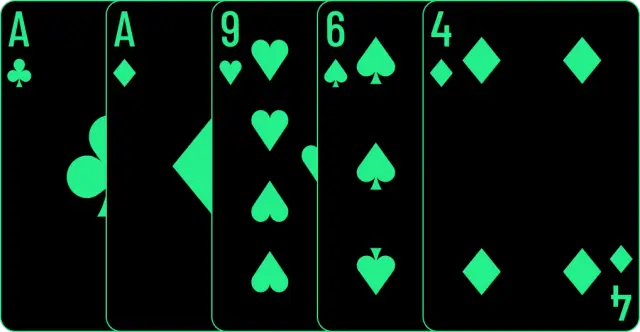
With two unpaired hole cards, the odds of flopping a pair are close to 29%. That means you’ll miss direct pairing more often than you hit it, which surprises many beginners. A hand like KQ, A9, or T8 does not become a pair on most flops.
Pairing one card is only start of decision. Top pair with strong kicker can be value hand. Bottom pair on wet board can be weak bluff catcher. Same probability can lead to very different strategy depending on position, opponent, board texture, and stack depth.
Practical lesson: don’t call preflop only because you hope to pair. Pair strength depends on what else flop brings and how your opponent’s range connects.
What Are The Odds of Flopping Two Pair?
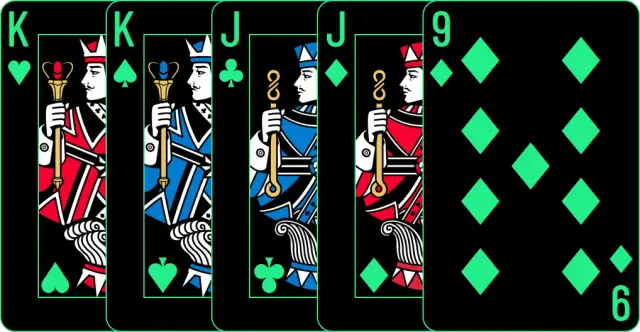
The odds of flopping 2 pair with two different hole cards are about 2%. This is strong enough to win many pots, but rare enough that chasing it with weak holdings is bad habit. Hands like 94 suited or J3 offsuit don’t become profitable just because two pair can happen.
Two pair also needs board reading. On dry board, it can be excellent. On coordinated board with flush draws or straight draws, protection and sizing matter more. If table is loose, two pair can earn value, but slow playing every time lets opponents catch up.
Best approach is simple: enjoy strong flop, but don’t overrate weak starting hands before flop because of rare upside.
What Are The Odds of Flopping Three of a Kind?
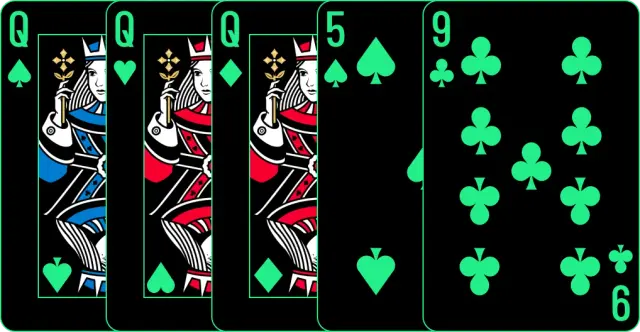
The odds of flopping three of a kind with two unpaired cards are around 1.35%. This usually means board pairs one of your hole cards twice, giving you trips. Example: you hold A8 and flop comes 8 8 K.
The odds of flopping trips are low, but trips can be tricky. Since board is paired, every player sees danger. If you have weak kicker, another player can hold same trips with better kicker. That makes kicker quality important, especially with hands like A2, K7, or Q8.
Trips win big pots when opponent has strong pair or overpair, but they can also lose painful ones when kicker or full house appears.
What Are The Odds of Flopping a Set?
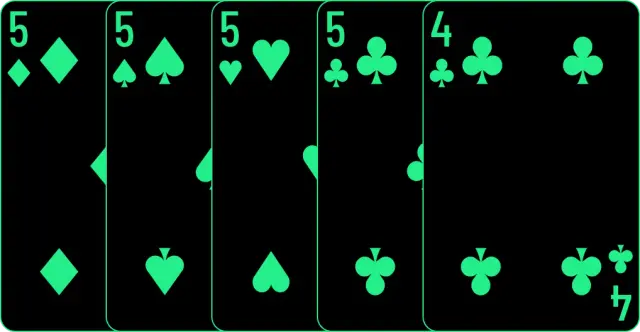
Pocket pairs have a special flop target: set. The odds of flopping a set are about 11.8%, which means roughly once in every 8.5 attempts. That number explains why small pairs can be attractive in deep stacked games.
The odds of flopping a set with pocket pair become useful only when potential reward is big enough. Calling too much with 22 or 55 against short stack is usually poor, because you won’t win enough when you hit. Against deep stacks and aggressive opponents, set mining can make sense.
Strong rule: pocket pairs like implied odds. If you can’t win a large pot after hitting, preflop call loses much of its value.
What Are The Odds of Flopping a Straight?
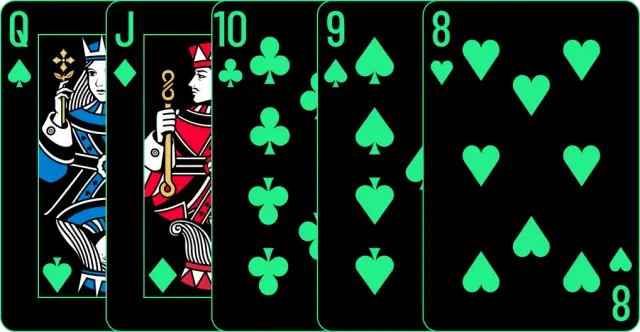
Flopping a straight depends heavily on starting hand. Connected hands such as JT, T9, 98, or 76 have best direct chance, usually around 1.3% for strong four way straight combinations. One gap and two gap hands hit made straights less often.
That small number matters. Connectors are not strong because they constantly flop straights. They are strong because they can flop equity: open ended draws, pairs with backdoors, combo draws, and hidden strong hands.
Good players use connected hands selectively. Position, stack depth, and opponent type matter more than hope. If you play connectors from bad position against strong ranges, rare straight flops won’t save enough money.
What Are The Odds of Flopping a Flush?
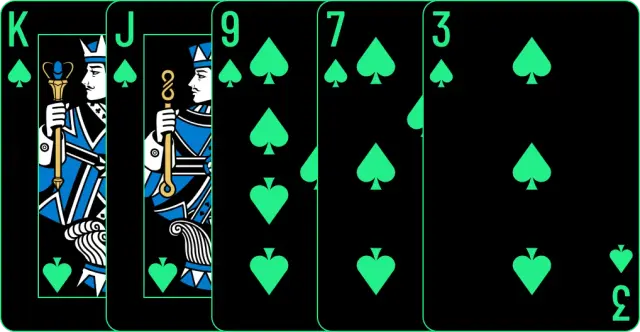
With two suited hole cards, the odds of flopping a flush are around 0.8%. That is less than 1 in 100 attempts. The odds of flopping a flush are lower than many players feel during a session, which is why suited trash gets overrated.
Suited cards still have value. They can flop flush draws, backdoor flush draws, and hands with extra equity. A suited ace is much better than a random suited hand because it can make nut flush and also holds high card strength.
There is another useful number after flop: odds of hitting a flush with 4 on the flop are roughly 35% by river, or about 19% on next card only. That is why pot odds and implied odds matter when deciding whether to continue with flush draw.
What Are The Odds of Flopping a Full House?
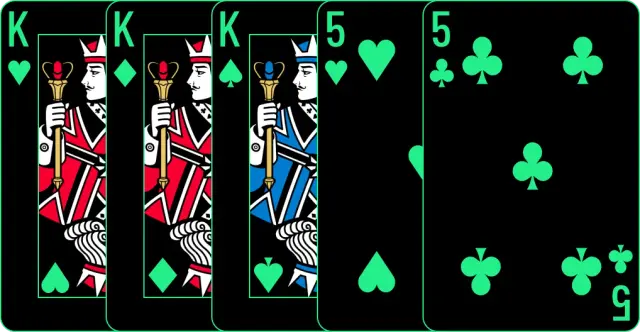
The odds of flopping a full house are very low, but starting hand changes number. With a pocket pair, chance is close to 0.98%. With two unpaired hole cards, chance is around 0.09%, which is much rarer.
Full house on flop feels safe, but board still matters. If you hold 77 and flop comes 7 K K, your hand is strong, yet opponent can have K7, KK, or later improve on paired board. Most of time, though, full house should aim for value instead of fear.
Main lesson is not to plan around it. Full house is bonus result, not reason to enter weak pots.
What Are The Odds of Flopping a Royal Flush?
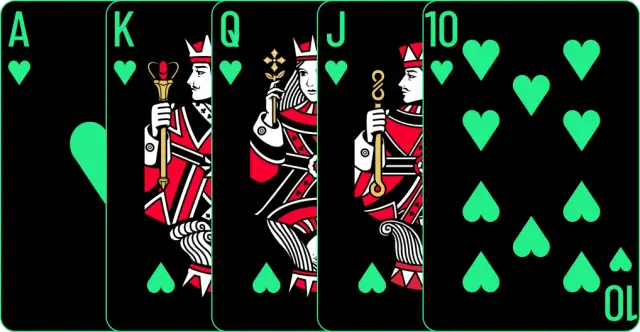
The odds of flopping royal flush are about 1 in 19,600 when you start with two suited broadway cards that can complete it. It is one of rarest moments in Texas Hold’em and not something any serious player should chase.
Hands like AK suited, AQ suited, KQ suited, or JT suited have real value, but not because they can flop royal. They play well because they make top pair, strong draws, nut flushes, and broadway straights more often than weak suited hands.
Treat royal flush as memorable outcome, not strategy goal. Good poker comes from repeatable decisions, not waiting for once in thousands flop.
What Are The Odds of Flopping a Straight Flush?
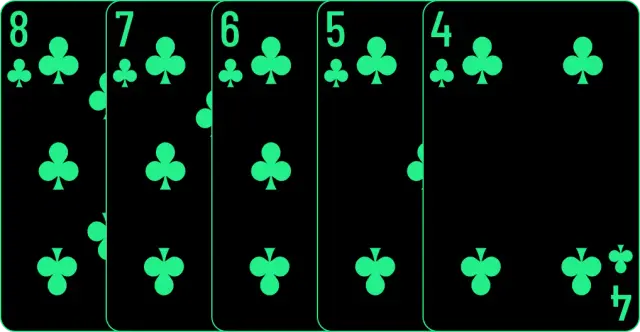
The odds of flopping a straight flush with suited connected cards sit around 0.02%. This is extremely rare, even when you start with right type of hand. A hand like 8 7 suited has a much better chance to flop draw than made straight flush.
Because result is so uncommon, it should not shape normal strategy. Suited connectors are playable for broader reasons: they can make straights, flushes, strong draws, and disguised two pair. Straight flush is just jackpot version of that potential.
If it happens, focus on value. Many boards that make straight flush also create pairs, flushes, straights, or draws for opponents, so sizing can still build pot.

How Poker Flop Odds Improve Long-Term Strategy
🧠 Turning Probability into Better Table Decisions
Flop probability helps you price hands before entering pot. Pocket pairs need stacks deep enough for set value. Suited hands need more than “same suit” to justify call. Connected hands work better in position and multiway spots where implied odds are real. Once you understand how rarely strong flops arrive, you stop paying too much for weak hands.
⚖️ Using Flop Odds Without Ignoring Player Ranges
Numbers matter, but ranges decide how those numbers play. Pair on ace high board means different thing against early position raiser than against button steal. Flush draw has more value when opponent can fold or pay you later. Set is powerful, but board texture and stack depth decide whether you should bet small, bet big, or trap.
💡 Main Lessons from Poker Flop Probability
Most hands miss flop. One pair is common, but not automatically strong. Two pair, trips, straights, flushes, full houses, and straight flushes appear far less often. That simple truth makes disciplined preflop selection more important. At BC Poker tables, players who respect flop odds usually avoid emotional calls, choose better spots, and build strategy around hands that can win in more than one way.
🎯 Understanding flop probability also changes how you approach postflop play itself
When you know how rarely strong hands actually connect, you become more comfortable folding marginal made hands on dangerous boards and more willing to apply pressure when the numbers favor you. This mindset reduces emotional decisions and helps you build a more consistent strategy across different stack depths and table dynamics. In the long run, players who respect these probabilities make fewer costly mistakes and extract better value from the hands they do choose to play.