

About Us
BC Poker Academy is our learning space for players who want poker to feel clearer, sharper, and more practical. Poker is not just a card game with chips on the table. It is a game of timing, pressure, patience, memory, position, hand strength, and risk control. Good players do not guess their way through every hand. They build habits, read situations, and know why one decision is better than another.
ESSENTIAL TRAINING GUIDES YOU MUST READ

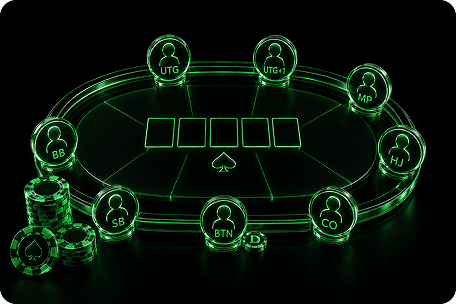
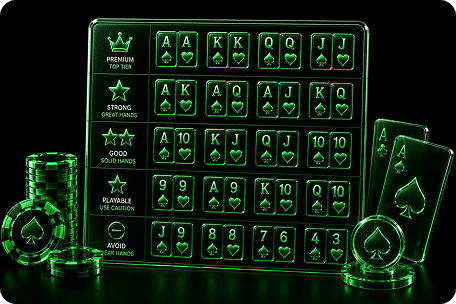




This section is made for that purpose. It brings rules, hands, formats, strategy, quizzes, and practical poker thinking into one place. A player can begin with the basics, compare game types, study common hands, test knowledge, and then carry those lessons into real play. That is the real value of a focused poker academy: it turns scattered information into a path.



What Is BCPoker Academy?
BC Poker Academy is the educational section of our platform, created for players who want to understand poker before making decisions at the table. It explains how games work, why hand rankings matter, how strategies change by format, and what beginners should learn before moving deeper into real sessions.
The goal is simple: make poker easier to study and easier to apply. Some players arrive with no knowledge of blinds, streets, kickers, or position. Others already know the basics but want cleaner thinking in Omaha, Texas Hold’em, or Short Deck. Both groups need structure. Poker rewards players who can slow down, read the board, and avoid emotional decisions.
BC.Poker Academy also helps users connect theory with action. Reading rules alone is useful, but poker starts to make sense when those rules meet live choices. A fold, call, raise, bluff, or value bet has meaning only when the player understands the situation behind it.

Learn Poker with BCPoker Academy
Learning poker should not feel like memorizing a dry rulebook. The game has rhythm. A hand begins with hidden cards, moves through public information, and ends with a decision that often says more about discipline than luck. BC.Poker Academy online gives players a way to follow that rhythm step by step.
Our content is built around real questions players ask. What hands beat others? Why does position matter? When is a pair strong enough? Why can the same cards play differently in Texas Hold’em and Omaha? How should a player think before joining a tournament or cash game?
The best way to learn is not to rush. Start with rules, then move to hand rankings, then formats, then strategy. A player who understands this order usually avoids the most expensive beginner mistake: entering hands without knowing what they are trying to achieve.
How to Use Our Academy?

Rules are the table map. Without them, every decision feels random. Start by learning blinds, betting rounds, turn order, showdown logic, and how a winner is decided. Once these pieces are clear, the game becomes less noisy.

Hand rankings are the language of poker. A player must know what beats what before thinking about bluffs, odds, or strategy. Strong hand knowledge also helps during fast decisions, especially when the board changes on the turn or river.
Texas Hold’em, Omaha, and Short Deck share poker logic, but they do not play the same way. Card distribution, hand strength, draw value, and risk change by format. Comparing them helps players choose games that match their style.

Basic strategy gives purpose to every action. It teaches players why tight starting ranges matter, why position creates advantage, why bet sizing changes pressure, and why folding can be the smartest play at the table.

Quizzes expose weak spots fast. A player may think they understand a rule until a question forces a precise answer. Testing knowledge makes learning more active and helps players return to articles with a clearer goal.
Theory matters most when it changes behavior. After studying rules, hands, and strategy, players can enter sessions with more control. Real play then becomes a feedback loop, not a blind jump into pressure.
Poker Rules
Poker rules explain how each game starts, develops, and ends. They cover cards, blinds, betting rounds, legal actions, hand comparison, and pot distribution. The main idea stays simple: players make decisions with incomplete information and try to win chips through the best hand or better pressure.






Different poker variants adjust that structure. Texas Hold’em uses two hole cards and five community cards. Omaha gives players four hole cards with stricter hand construction. Short Deck removes lower cards and changes the rhythm of hand strength. Below are the core rule groups players should study first.
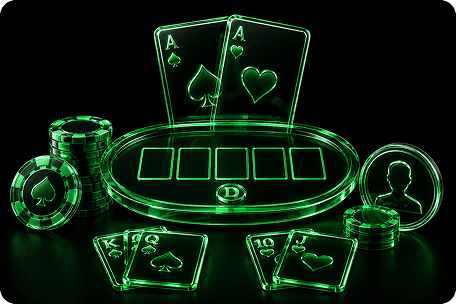
Texas Hold’em is the most familiar poker format for many players. Each player receives two private cards. Five community cards can appear across the flop, turn, and river. The goal is to make the best five card hand using any combination of private and community cards. The game has four betting rounds: preflop, flop, turn, and river. Position matters heavily because players acting later have more information. For beginners, Texas Hold’em is often the cleanest starting point because the rules are simple enough to learn, while the strategy stays deep for years.
Omaha gives each player four private cards, but the final hand must use exactly two private cards and exactly three community cards. This rule changes everything. Players see more possible combinations, stronger draws, and bigger pots. A hand that looks strong in Hold’em may be average in Omaha. Two pair can be fragile, and draws often carry more power than they first appear to have. Omaha rewards careful board reading, patience, and respect for hidden strength.

Short Deck Poker removes the lowest cards from the deck, usually all cards from two through five. With fewer cards in play, strong hands appear more often, and action can feel faster. Because the deck is compressed, hand values change. Players must study the exact ranking rules used in the game before playing. Short Deck suits players who enjoy aggressive pots, frequent collisions, and a format where standard Hold’em habits need adjustment.
Poker Hands
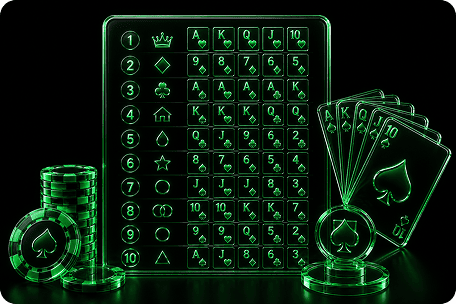
Poker hands are the combinations used to decide who wins at showdown. Every player should understand them before studying advanced strategy. Without this knowledge, even simple spots become confusing.



Hand rankings also help players judge risk. A weak made hand, a draw, and a strong value hand require different decisions. Knowing the difference protects bankroll, improves confidence, and makes strategy articles easier to understand.

High Card is the weakest poker hand. It means a player has no pair, straight, flush, or stronger combination. The highest card decides the value of the hand, with kickers used if players share the same top card.
This hand can still win if everyone else misses, but players should be careful with it. High Card often has limited showdown value and usually needs strong context to continue.

One Pair means two cards of the same rank. It is common and often playable, but its strength depends on the board, kicker, position, and opponent action.
A pair of aces on a dry board can be strong. A small pair on a connected board can become risky fast. Good players do not treat every pair the same. They ask how the hand fits the board and what worse hands can still call.

Two Pair is stronger than One Pair and can win many medium pots. It contains two different pairs plus one kicker. The hand looks comfortable, but it can still lose to sets, straights, flushes, and better two pair combinations.
Players should watch board texture closely. If the board is paired, connected, or suited, Two Pair may be less safe than it first appears.
Poker Strategy
Poker strategy is the bridge between knowing the rules and making better decisions. It covers starting hands, position, bet sizing, bluffing, value betting, pot control, bankroll habits, and emotional discipline.





The right strategy depends on the format. A strong Hold’em habit may not work in Omaha. A Short Deck spot may reward pressure where classic poker would reward caution. That is why strategy should be studied by game type, not as one fixed script.
Omaha strategy starts with selectivity. Four private cards create many possibilities, but not every pretty hand is strong. Connected cards, suited combinations, and hands that can make the nuts have more value.
Players should avoid overrating weak two pair and non nut draws. Omaha pots often become large because several players can have strong equity. Clean hand selection and disciplined postflop play matter more than chasing every draw.
Texas Hold’em strategies begin with position and starting hand choice. Acting later gives more information, so late position allows wider ranges. Early position requires more caution because several players can still respond. Good Hold’em play also depends on bet sizing. A strong hand should often build value, while a bluff needs a believable story. Random aggression burns chips. Clear aggression puts opponents under pressure for a reason.
Short Deck strategies require a fresh view of hand strength. Since the deck has fewer cards, players connect with boards more often. Draws can gain value, and top pair may not be as safe as it looks.
Players should adjust ranges, respect stronger average holdings, and avoid applying normal Hold’em logic without review. Short Deck rewards flexible thinking and fast adaptation.
Responsible Poker Play
Responsible Poker Play means treating poker as entertainment with skill elements, not as a guaranteed income source. Even strong players face variance. A correct decision can lose in one hand, and a bad decision can win by chance. That is why control matters.
Players should set limits before a session starts. Bankroll, time, stakes, and emotional state all need attention. Playing tired, angry, or desperate usually leads to poor choices. Tilt can turn one lost pot into a bad session.
A healthy poker routine includes breaks, realistic goals, and honest review. The best players are not reckless. They protect their decision quality. They know when to study, when to play, and when to stop.

Why Choose BCPoker Academy Online?
BC Poker Academy online is built for players who want learning to feel practical. The page does not throw theory at users without direction. It gives them a route from basic rules to hand strength, formats, strategy, quizzes, and real table awareness.
| What players need 🌟 | How our Academy helps 📚 |
|---|---|
| 🏁 A simple starting point | Clear rule guides help beginners understand the table before they play. |
| 🃏 Better hand knowledge | Poker hand articles explain combinations such as High Card, One Pair, and Two Pair in plain terms. |
| 🔄 Format comparison | Texas Hold’em, Omaha, and Short Deck materials show how each game changes decisions. |
| 🎯 Practical strategy | Strategy sections focus on useful concepts players can apply during sessions. |
| 📝 Active learning | Quizzes help players test what they remember and spot gaps faster. |
| 🛡️ Safer habits | Responsible play content supports discipline, limits, and bankroll awareness. |
Poker BC Academy: From Study to Real Play
Poker BC Academy is strongest when players use it as a working routine. Read the rule guide before trying a new format. Review hand rankings before a session. Study strategy after a difficult spot. Take a quiz when something feels unclear. Then return to the table with sharper eyes.
Poker rewards steady improvement. One article will not turn a beginner into a master, but one clear concept can prevent a bad call, protect a stack, or make a value bet easier to see. That is how progress works in poker: small decisions, repeated with more discipline.
Our Academy is here to make that process cleaner. Learn the rules, understand the hands, compare the formats, study the strategy, and play with control. The cards will still fall how they fall, but your decisions can become stronger every session.