


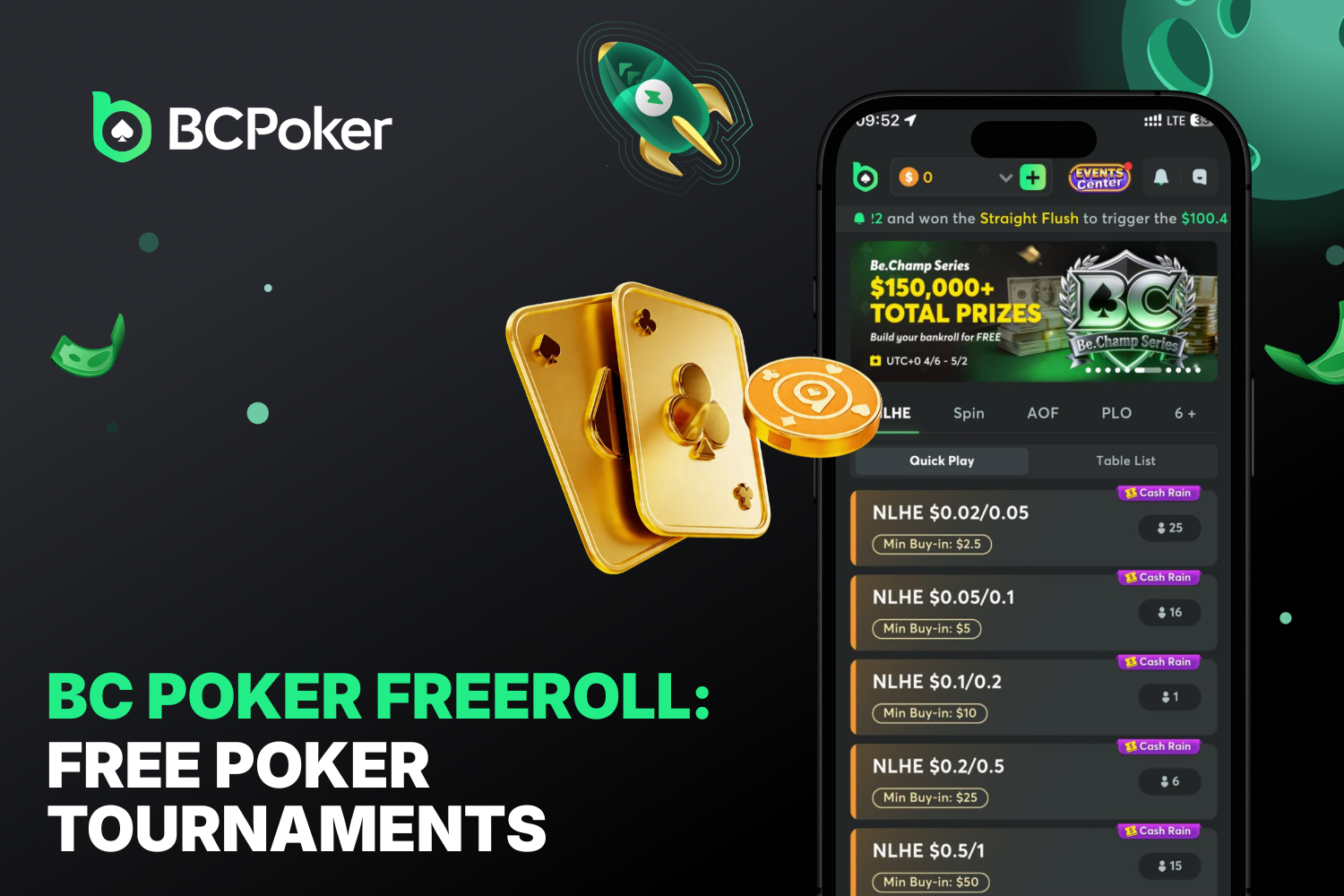
Free poker tournament feels good for one clear reason: you can sit down, play real hands, and chase prize value without paying buy in. That removes pressure, but it doesn’t remove poker. You still need patience, timing, stack control, and enough discipline to fold when table gets noisy.
At BC Poker, freerolls give players a clean way to step into tournament poker without treating every mistake like a paid lesson. You can test ranges, watch blind levels, try small adjustments, and learn how players behave when chips start to matter. Some private or promo events may ask for a BC Poker freeroll password, while open events can appear directly in tournament lobby.

What Is a BCPoker Freeroll?
A freeroll is a poker tournament with free entry. Players join without standard buy in, receive starting chips, and play under normal tournament rules until prize places are decided. A BCPoker freeroll keeps that idea simple: bring your decisions, not entry fee.
This format works especially well for new players. Poker can feel tense when every hand touches your balance. Freerolls soften that first step. You can learn table pace, blind pressure, bet sizing, and basic tournament rhythm with less stress.
A good BC Poker freeroll still rewards serious play. Free entry doesn’t mean free chips. Many players join loose, call too wide, or shove too early because they didn’t pay to enter. That creates chaos, but also creates value for anyone who stays patient. If you keep cool while others rush, you’re already ahead of half the table.
Freerolls also help regular players. They’re useful warmups before paid sessions, quick practice for endgame spots, and simple chances to turn free entry into cash, tickets, or bonus rewards. A BCPoker freeroll can be casual, but smart players don’t treat it like a coin flip.
How Free Poker Tournaments Work
Free poker tournaments follow same basic logic as paid events
Each player starts with fixed chip stack. Blinds rise at scheduled levels. Players who lose all chips leave tournament. Field gets smaller, pressure grows, and final positions receive rewards based on payout table.
Free entrygives room to experiment, but tournament fundamentals still count
Don’t limp every hand just because seat costs nothing. Use position, protect stack, and watch how players react to pressure. Freeroll poker teaches fast when you pay attention.
Before joining, check tournament lobby
Prize pool, start time, late registration, blind speed, game type, player cap, and payout places all matter. Fast structure needs tighter timing. Large field needs patience. Ticket prize may call for different mindset than direct cash reward.
Main difference is entry cost
Paid tournaments ask for buy in. Freerolls don’t. Some are open to all eligible players, while others may require ticket, password, completed mission, player activity, or promo access.
How to Join BC Poker Freeroll Tournaments
Joining free tournaments is usually quick. You need account access, right event, and correct entry condition. If event is open, registration can take only a few clicks. If it’s private or tied to promo, check details before start time.
Freerolls can fill fast, so it’s better to register early when event allows it. Waiting until last minute may work, but it can also leave you outside player cap or stuck with tougher late registration stack.
1. Creating a BC Poker Account
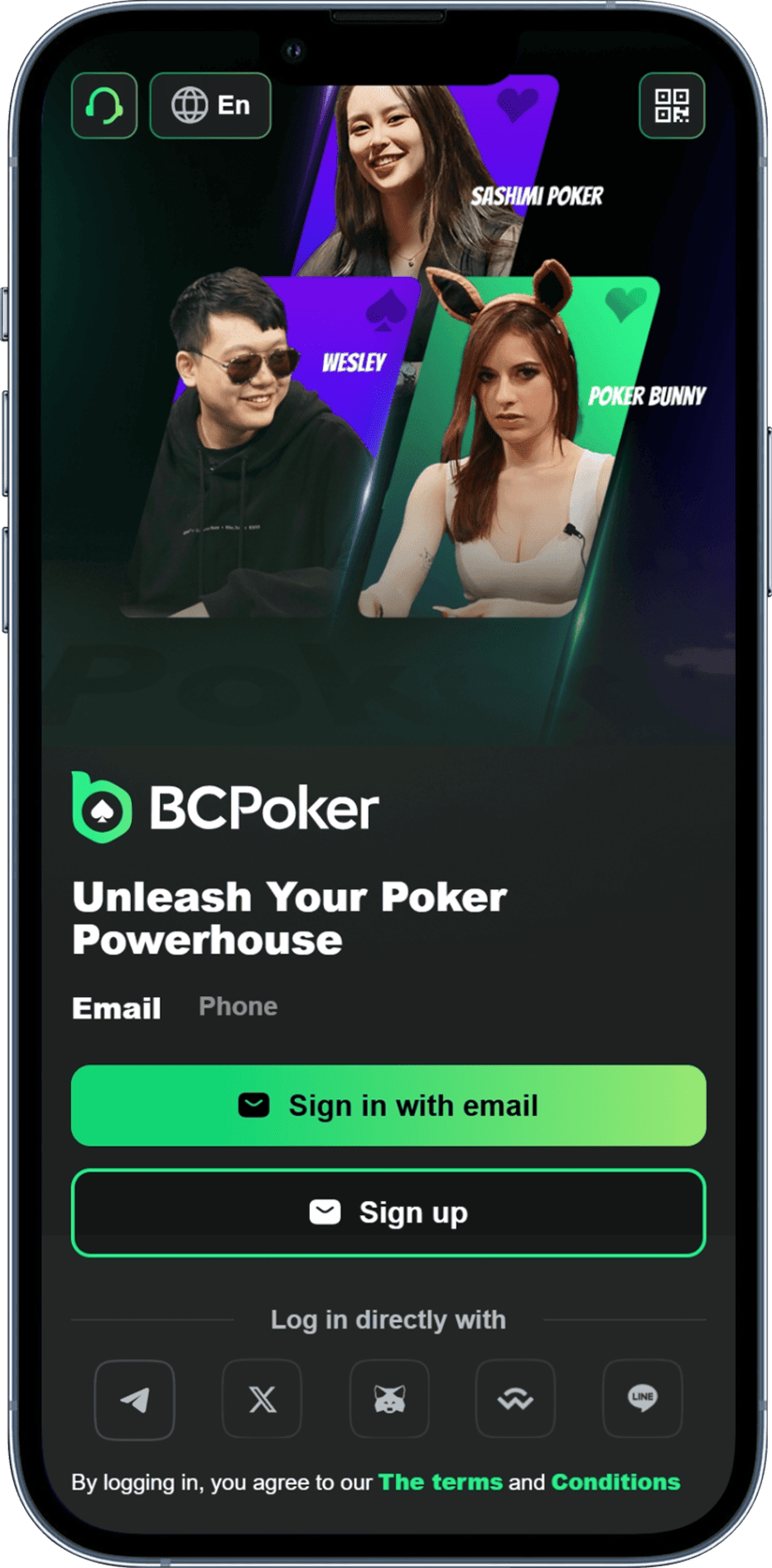
Create account on our platform and complete basic setup needed for poker play. Use accurate details and keep login access safe. One player should use one account, since duplicate accounts can trigger restrictions.
After setup, open poker lobby and go to tournament section. You’ll see available events, start times, prize details, registration status, and entry notes.
2. Finding Free Entry Events
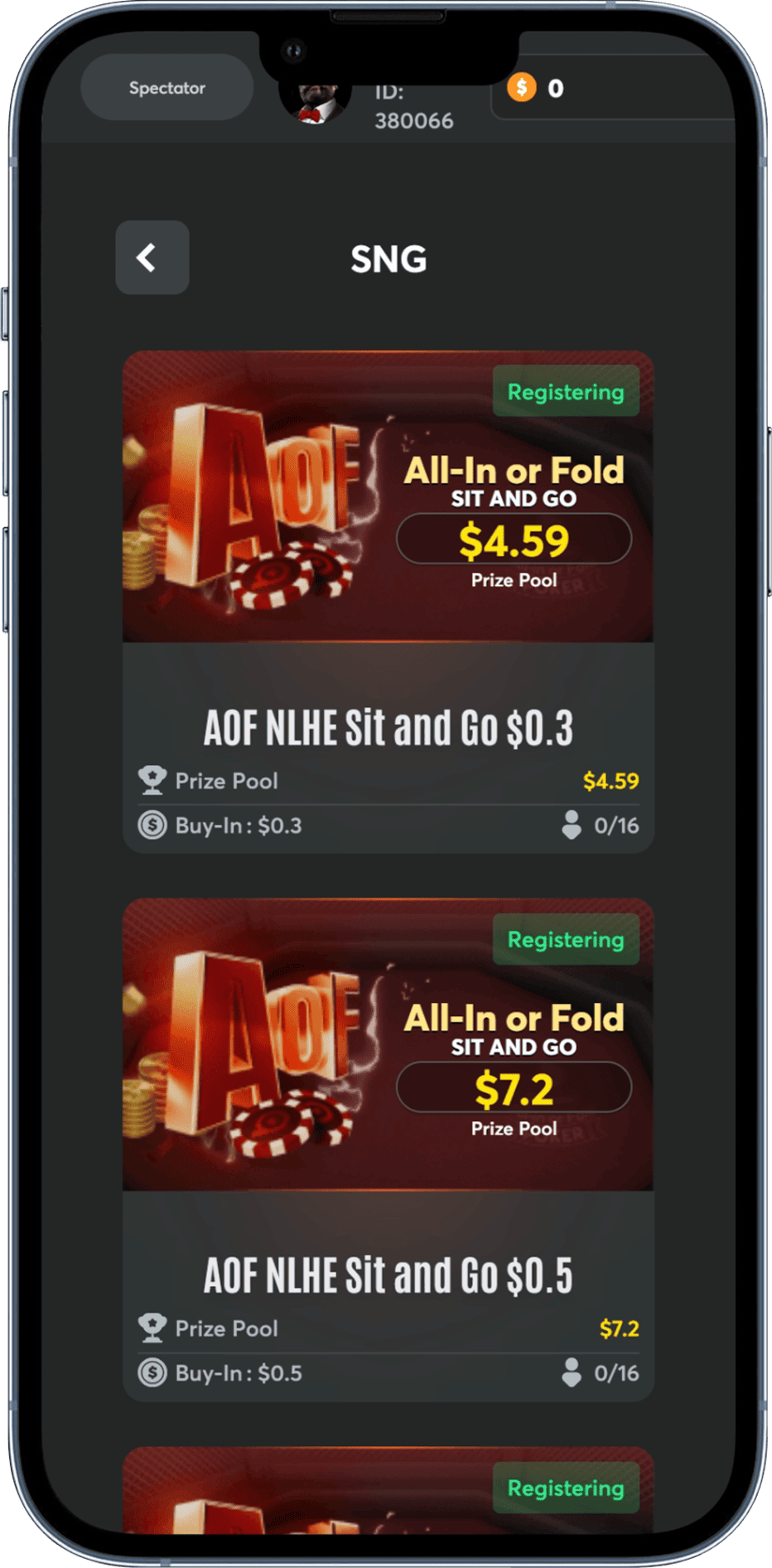
Look through tournament list and filter for free entry if lobby supports it. Freerolls usually show event name, game type, starting time, prize type, number of registered players, and whether late registration is available.
Pay attention to entry field. Open event lets you register directly. Private event may ask for ticket or password before seat is confirmed.
3. Checking Entry Conditions
Read tournament details before clicking register. Some freerolls are tied to promotion, activity, leaderboard, special event, or selected player group. Others may be simple open events with no extra step.
If lobby asks for password, enter it exactly. Spaces, spelling, and letter case can matter. This is where players often make small mistakes and miss easy seat.
4. Registering Before Start Time
Register as soon as you know you meet conditions. Early registration gives more comfort, especially when event has player cap. If tournament supports late registration, lobby will show how long it stays open after first hand.
Late entry can still be useful, but stack may feel shorter compared with blinds. You’ll need sharper hand selection and fewer loose calls.
5. Playing with Simple Tournament Plan
Start tight enough to avoid silly exits. Early blinds don’t demand panic, so there’s no need to fight every pot. Pick good hands, use position, and let overly wild players make expensive mistakes.
Middle stages need more pressure. Blinds grow, antes may appear, and passive play starts costing chips. Near bubble or final table, watch stacks carefully. Sometimes best move is not biggest bluff, but clean fold that keeps you alive for better spot.
Freeroll Formats and Prize Types
Freerolls come in different shapes. Some follow schedule, some belong to short promo campaign, and some appear around special poker events. Prize type also changes how players think. Cash rewards feel direct, while tickets can open path to bigger tournaments.
A BC.Poker freeroll can use any of these formats. Best choice depends on your goal. If you want practice, scheduled event is enough. If you want bigger upside, special events and ticket prizes can be more interesting.
Freeroll Rules and Entry Conditions
Freeroll rules keep tournament fair and protect prize pool. Free entry doesn’t mean loose standards. Check details before joining, especially when event is private, promotional, or limited to certain players.